Pressure Vessels
ASME-code steel and stainless pressure vessels, heat exchangers and filtration for process plants.
What we source
- ASME-code steel & stainless pressure vessels
- Shell-and-tube heat exchangers with tube bundles
- Steam boilers
- Dust filters & filtration vessels
- Reaction & absorption columns
Sourced, quality-controlled and expedited by Crimar’s professional procurement team in China — with the same inspection discipline and documentation we apply to our FRP equipment.
Pressure vessels and process equipment, built to code
When a process runs under pressure, temperature or vacuum, the vessel that contains it has to be engineered and verified, not just fabricated. Crimar sources steel and stainless pressure vessels, heat exchangers, boilers and gas-cleaning equipment designed to recognized pressure-vessel codes — including ASME Section VIII where a project requires it — with the calculations, materials and testing to prove the design.
Through Crimar’s procurement team in China, buyers get competitive fabrication with code-conscious construction, full material traceability and a single English-speaking point of contact from design review through inspection, testing and shipping.
Pressure equipment we supply
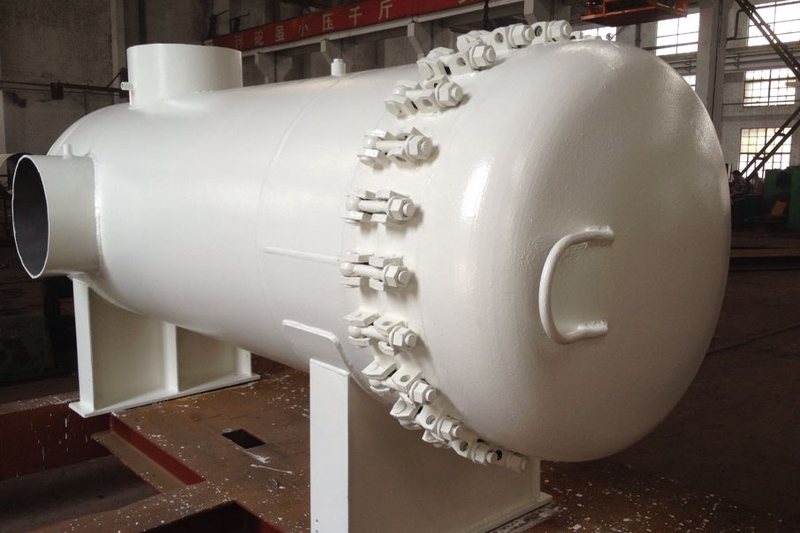
Pressure Vessels
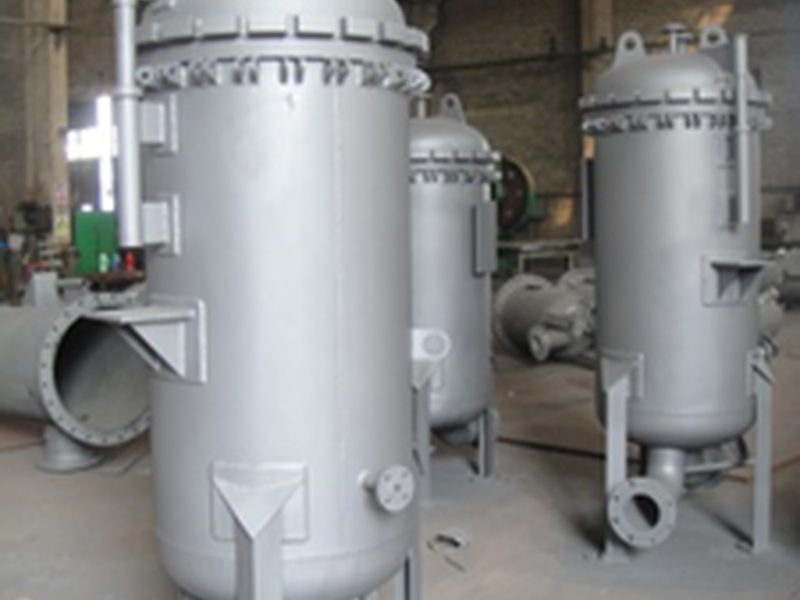
Horizontal and vertical pressure vessels, receivers, reactors and separators in carbon steel, stainless and clad or lined construction.
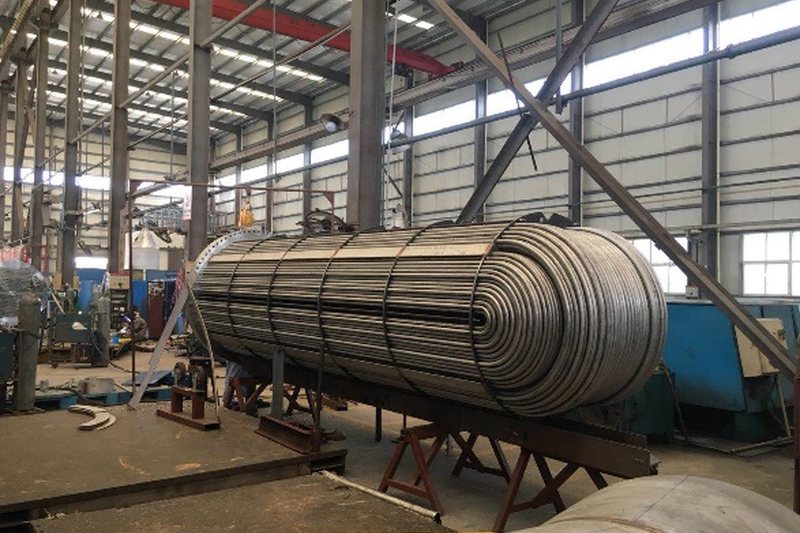
Heat Exchangers
Shell-and-tube and other heat exchangers with fabricated tube bundles, designed for the thermal duty and cleanable in service.
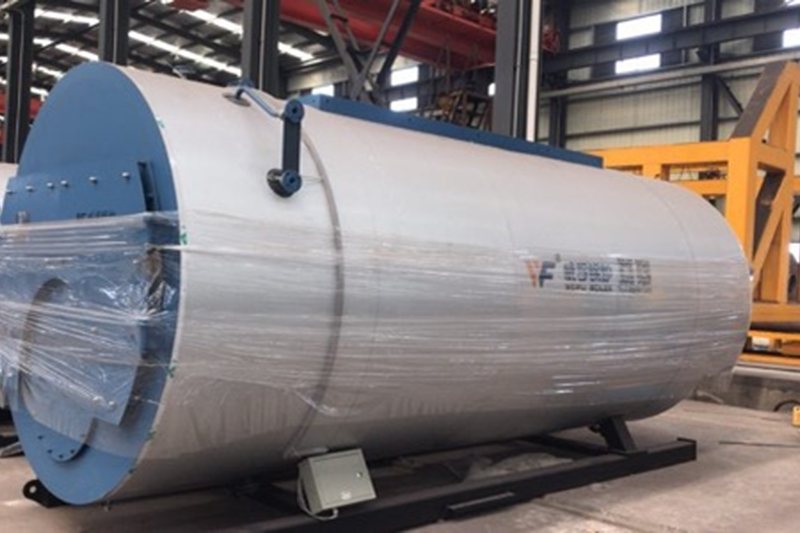
Boilers & Steam Drums
Industrial boilers, steam drums and related pressure parts for process heating and power applications.
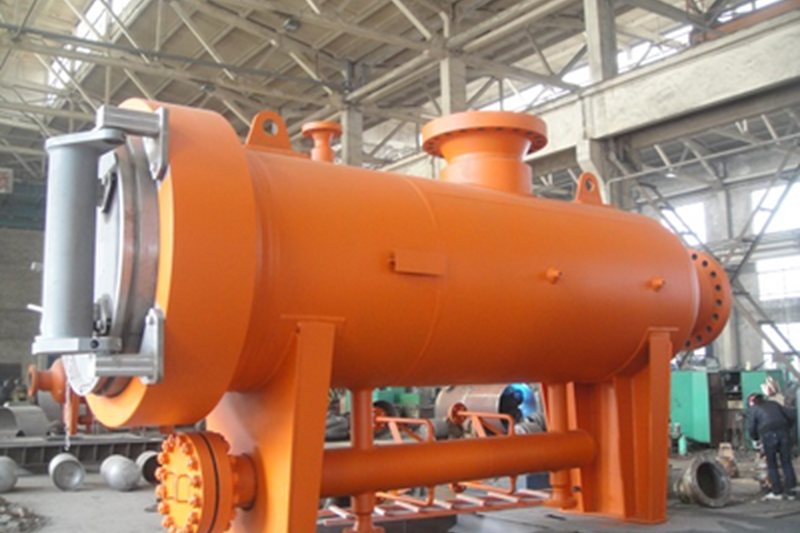
Filters & Gas-Cleaning Vessels
Dust collectors, pressure filters, knock-out drums and gas-cleaning vessels for process and air-pollution-control duty.
Designed, fabricated and tested to prove it
A pressure vessel is only as good as the engineering and testing behind it. Crimar coordinates the full scope:
- Design: shell, head, nozzle-reinforcement and support calculations to ASME Section VIII (or the applicable code), with PE review available
- Materials: carbon steel, stainless (304/316/duplex), clad plate and corrosion-resistant linings selected for the service
- Fabrication: qualified welding procedures, forming and post-weld heat treatment where required
- Testing: radiography and other NDE, hydrostatic testing, and full material and test documentation
For corrosive service, many vessels are best built in or lined with composites — connecting this line to Crimar’s engineered FRP tanks and vessels.
Inspected and documented for the authority having jurisdiction
Crimar audits the fabricators, arranges third-party inspection such as Bureau Veritas and Moody, and welcomes customer-witnessed hold points. Design calculations, material certificates, weld and NDE records and test certificates ship with each vessel. See our quality & inspection and engineering & design capabilities, or browse all sourced equipment.
Pressure equipment we have supplied
| Equipment | Customer / service | Inspection highlights |
|---|---|---|
| Boiler | Glencore PASAR copper smelter, Philippines | Fabricated in China and documented for the project |
| Stainless steel tube bundles (2 units) for hot acid heat exchangers | Glencore, Australia (2018–2019) | Third-party inspection from October 2018 to January 2019 to the ITP: material certificates, PMI on the tube sheet and 5 % of tubes, U-bend ovality on rows 1 and 2, heat tint, drilling program and dimensions |
| Steel pressure vessels and coalescer filters | Industrial gas filtration OEM | Data book with material certificates, NDE, heat treatment, pressure test, surface and dimensional checks, blasting and painting, nameplate and as-built drawings |
| Storage and process vessels | Jacobs / Freeport-McMoRan Safford acid plant, Arizona | To project specification |
Code shops in China
China has a large base of ASME-certified fabricators: in 2021 there were 985 facilities holding the ASME U stamp, many within driving distance of our office in Shijiazhuang, and we have used shops in Hebei and Shanghai. We choose the shop for the code, material and size of each vessel, audit it, and contract third-party inspectors to confirm that code-stamped vessels meet the code and the project requirements.
What the data book contains
- Manufacturer’s data report and product certificate
- Material check list and material quality certificates
- NDE reports, and PMI where required
- Heat treatment records
- Hydrostatic or pneumatic pressure test report
- Surface quality and dimensional reports, blasting and painting inspection
- Nameplate copy and as-built drawings
For corrosive service at moderate pressure, an FRP vessel designed to ASME RTP-1 may last longer than steel; see FRP tanks and vessels.
Inspection stages
| Stage | What we check |
|---|---|
| Before production | Specification and drawing review; material grades and equivalents agreed in writing; inspection and test plan (ITP) with hold and witness points |
| Materials | Mill certificates and chemical analysis checked against the specification; positive material identification (PMI) where specified |
| In process | Our own staff on the factory floor at hold points; casting, welding, heat treatment and machining records reviewed |
| Final inspection | Dimensional and visual inspection, hardness and NDE as specified, pressure or function tests |
| Third party | Bureau Veritas, Moody, ABS or the customer’s inspector at any hold point |
| Release | Data book with certificates, test reports and as-built records; export packing suited to sea freight and transhipment |
Crimar sources this equipment through its sister company in China, SBCCO-China (Shijiazhuang Beman Commercial Co. Ltd.), registered in 2015 as a majority foreign-owned Chinese corporation. That gives every order a legal entity in China that can sign and enforce contracts under Chinese law, hold import and export licenses, issue local invoices and certificates of origin, and run quality control and expediting with bilingual staff. The contract, specification and inspection plan stay with Crimar in Tucson; see how we work.
Pressure vessels: frequently asked questions
Can you supply ASME U-stamped pressure vessels from China?
Yes. China had 985 ASME U-certified facilities in 2021, and we select the shop for each vessel’s code, material and size. Third-party inspectors are contracted to confirm the vessel meets the code and the project requirements.
What documentation comes with a pressure vessel?
A data book with the manufacturer’s data report, material certificates, NDE and heat treatment records, pressure test report, dimensional and painting inspection, nameplate copy and as-built drawings, as specified in the ITP.
Can you build heat exchanger tube bundles?
Yes. We supplied two stainless steel tube bundles for Glencore’s hot acid heat exchangers in Australia, with third-party inspection covering material certificates, PMI on the tube sheet and 5 % of tubes, U-bend ovality, heat tint and the drilling program.
Do you supply boilers?
Yes. We supplied a boiler to Glencore’s PASAR copper smelter in the Philippines, fabricated and documented to the specified code.
When is an FRP vessel a better choice?
When the contents are corrosive and the pressure is within ASME RTP-1 limits, up to 15 psig internal or external with a proof test. Above that, or at temperatures beyond the resin’s range, a steel or alloy pressure vessel is required.