
Solid-Liquid Separation
Separation and dewatering equipment for mineral and water processing.
What we source
- Thickeners and clarifiers
- Clarifier internals, feedwells, troughs & weirs
- Filter presses and belt filters
- Hydrocyclones and cyclone clusters
- Mixer-settlers
- Slurry and process pumps
Sourced, quality-controlled and expedited by Crimar’s professional procurement team in China — with the same inspection discipline and documentation we apply to our FRP equipment.
Solid-liquid separation for mineral processing and water treatment
Separating solids from liquids is central to almost every hydrometallurgical and water-treatment circuit — dewatering concentrates and tailings, clarifying process water, recovering reagents and thickening slurry for pumping. Crimar sources the full range of separation equipment and internals, from large-diameter thickeners and clarifiers to feedwells, rakes and covers, together with the FRP and steel components that go inside them.
These are large, engineered assemblies where fit and metallurgy matter. Working through Crimar’s procurement team in China, operators get competitive fabrication with Western-standard quality control, coordinated by a single English-speaking contact from specification through inspection and delivery.
Separation equipment we supply
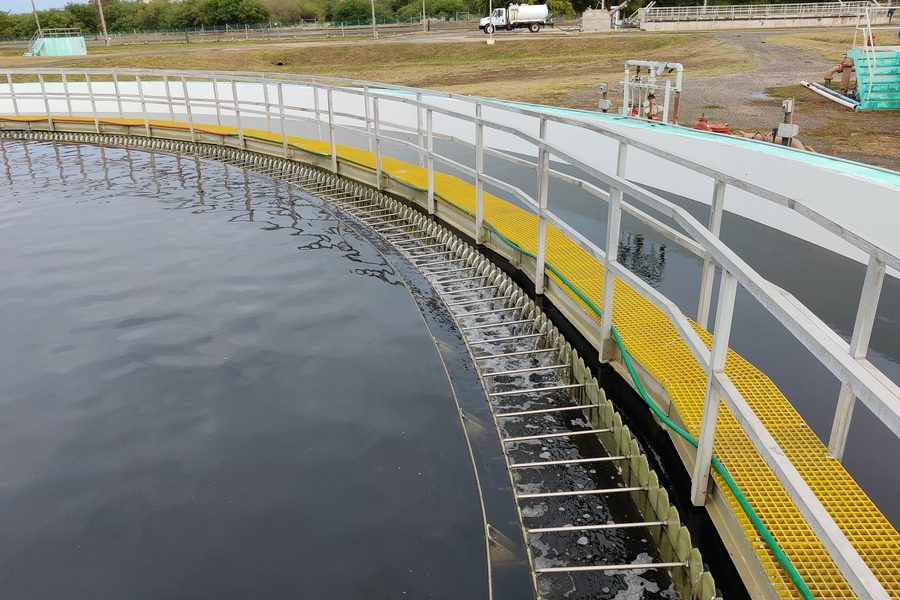
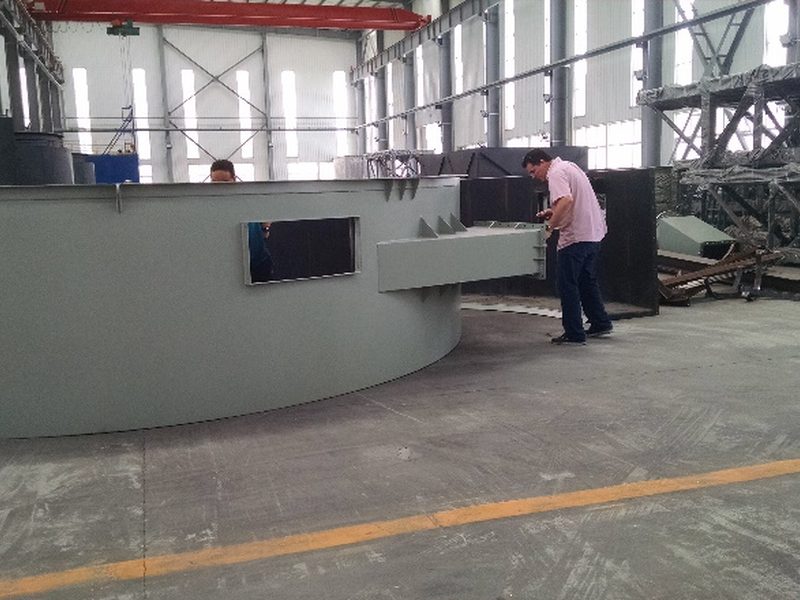
Thickeners & Clarifiers
High-rate and conventional thickeners and clarifiers for dewatering, clarification and tailings management, in steel or FRP.
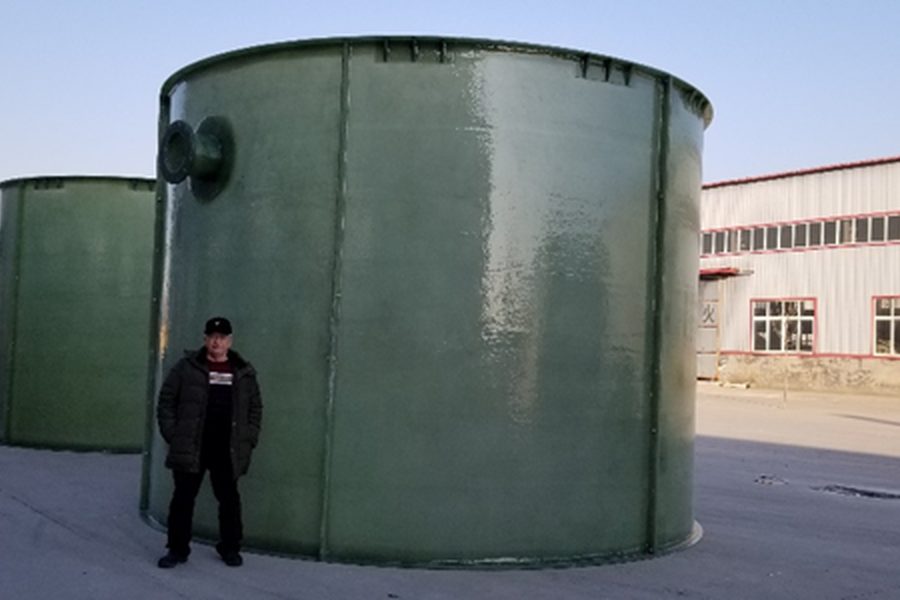
Feedwells
Engineered feedwells that dissipate energy and promote flocculation for stable, high-rate settling performance.
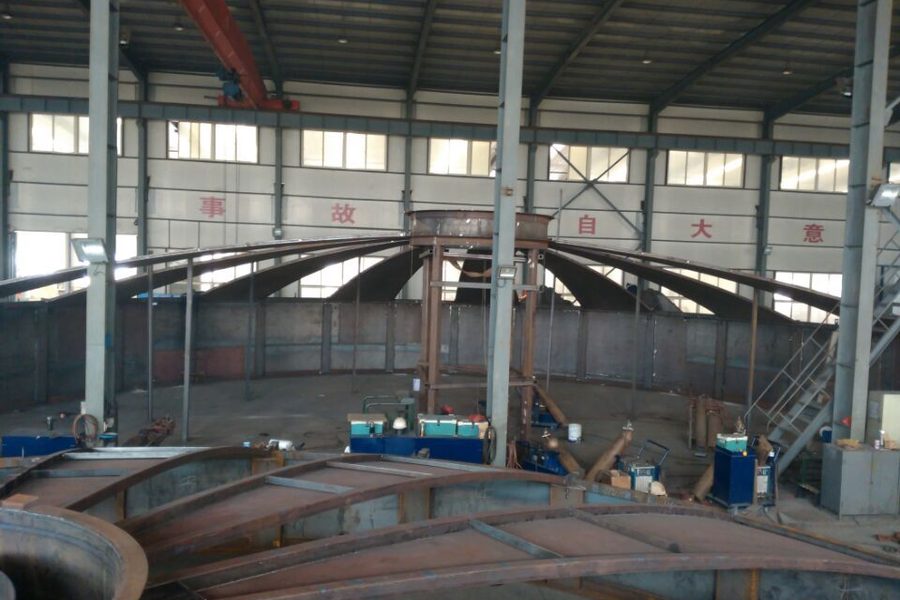
Thickener & Clarifier Covers
Large-diameter FRP and steel covers that control emissions, odor and temperature over thickeners and clarifiers.
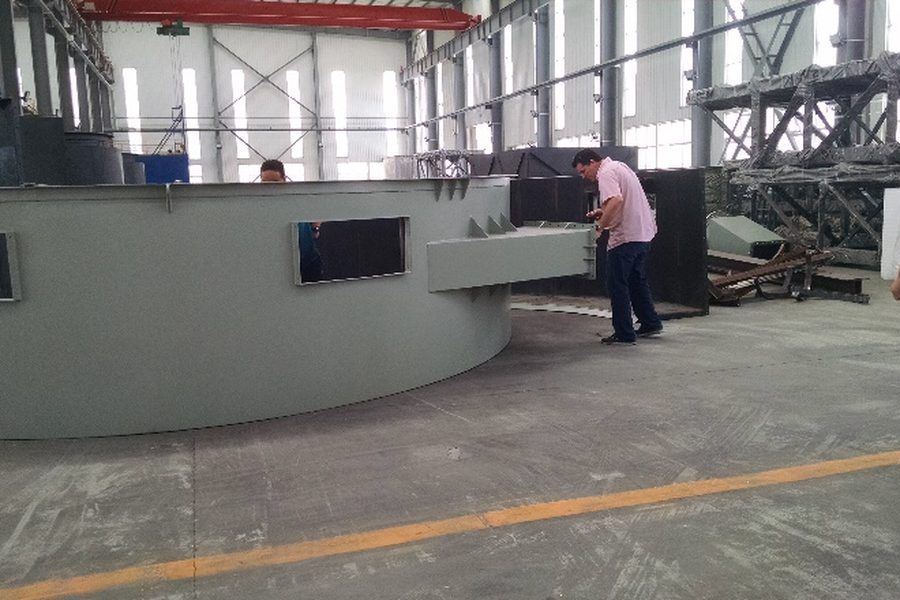
Rakes, Drives & Internals
Rake arms, drive mechanisms, launders, weirs and internals engineered for continuous, abrasive slurry service.
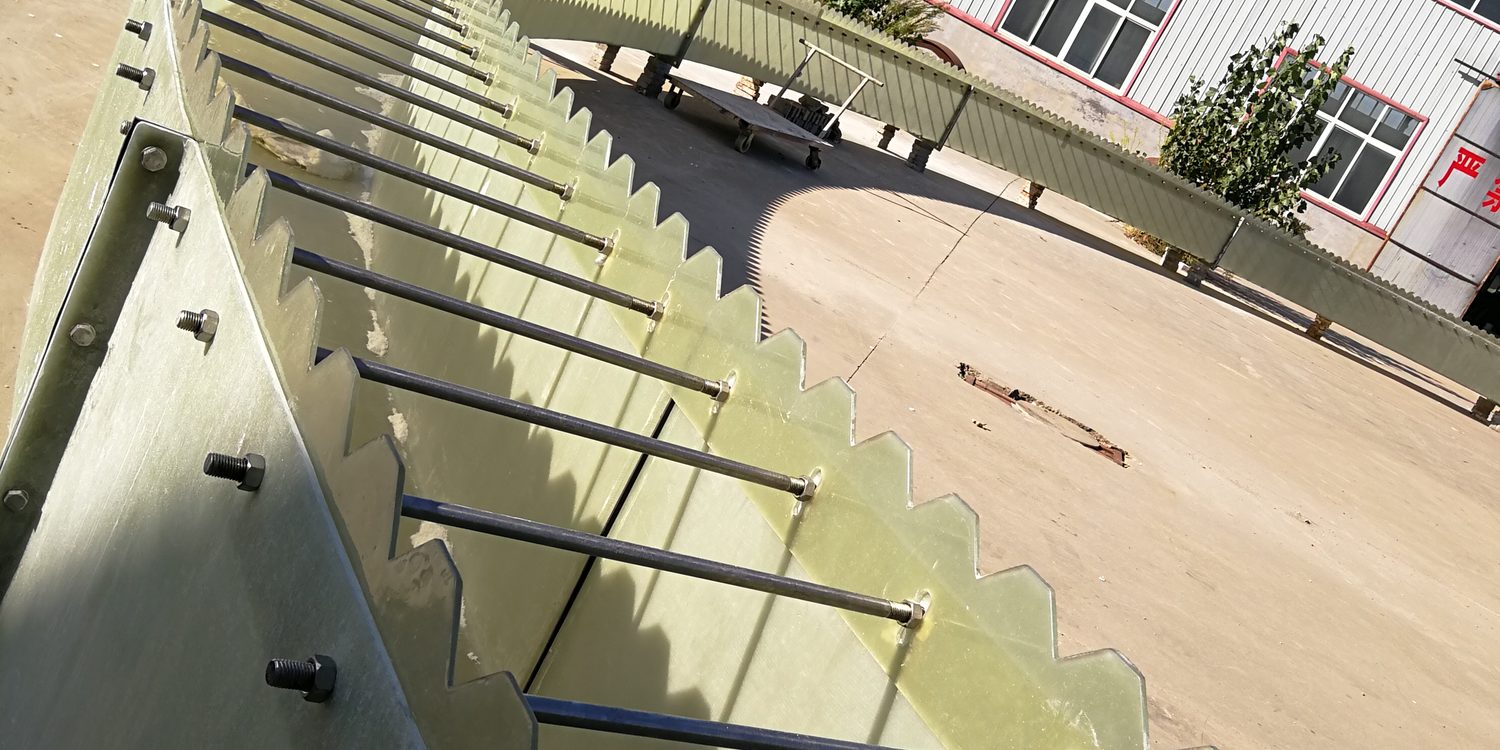
A complete separation circuit, from one source
Beyond thickeners and clarifiers, Crimar supplies the surrounding equipment that completes a separation and dewatering circuit:
- Solvent extraction: mixer-settlers and SX-EW components for hydrometallurgical circuits
- Filtration: filter presses and pressure filters for concentrate and tailings dewatering
- Classification: hydrocyclones and classifiers for particle sizing
- Materials handling: slurry pumps, piping and launders sized for abrasive duty
Because these circuits run corrosive, abrasive slurries, many components are best built in FRP — connecting this line directly to Crimar’s core FRP equipment capability.
Sourced, inspected and delivered worldwide
Crimar audits the fabricators, arranges third-party inspection such as Bureau Veritas and Moody where required, and welcomes customer-witnessed inspection, with certificates and reports shipped alongside the equipment. See our quality & inspection approach, our mining & mineral processing work, or all sourced equipment.
Separation equipment and components we supply
| Equipment | Material | Examples delivered |
|---|---|---|
| Feedwells and draft tubes | FRP or steel; rubber-lined steel | Eight FRP feedwells, troughs and draft tubes for WesTech in Australia; rubber-lined feedwells for a mining project |
| Launders, troughs and weirs | FRP, supplied in segments for field bonding | Launder systems for two 73.2 m diameter thickeners in Puerto Rico (WesTech) |
| Thickener and clarifier covers | FRP clear-span covers; steel covers | FRP covers from 12 to 45 m; steel covers 75 ft and 50 ft in diameter |
| Thickeners | FRP, or FRP overlay on a steel support structure | 6 m FRP thickener with FRP overlay on steel (FLSmidth) |
| Lamella plate packs | FRP, gel-coated | Large modular packs, about 18 m² class, for clarifier and thickener service |
| Vacuum filtrate receivers | FRP | Full-vacuum hot acid receivers and associated tanks (WesTech, Morocco); 1.4 and 4.7 m³ receivers to ASME RTP-1 (FLSmidth) |
| Tank and basin liners | Bonded 6 mm FRP segments | Liners for concrete and steel clarifier tanks |
| Cyclones and pumps | Steel, rubber or ceramic lined | Hydrocyclone and centrifugal pump spare parts |
FRP or steel for separation internals?
Most separation circuits run wet, often acidic or chloride-bearing slurry, so the internals that sit permanently in the liquor (feedwells, launders, weirs, draft tubes and lamella plates) are usually best in FRP: no coating to fail, smooth surfaces that shed scale and sludge, and light enough to install inside an existing tank. Rakes, drives and structures that carry heavy mechanical loads are steel, with rubber lining or FRP overlay where they are wetted. Launders on large thickeners are supplied in segments with depth varied so that the trough drains continuously to the discharge box, and are bonded together on site.
See our FRP covers and internals and the FRP lamella plate pack case study.
Inspection and documentation
| Stage | What we check |
|---|---|
| Before production | Specification and drawing review; material grades and equivalents agreed in writing; inspection and test plan (ITP) with hold and witness points |
| Materials | Mill certificates and chemical analysis checked against the specification; positive material identification (PMI) where specified |
| In process | Our own staff on the factory floor at hold points; casting, welding, heat treatment and machining records reviewed |
| Final inspection | Dimensional and visual inspection, hardness and NDE as specified, pressure or function tests |
| Third party | Bureau Veritas, Moody, ABS or the customer’s inspector at any hold point |
| Release | Data book with certificates, test reports and as-built records; export packing suited to sea freight and transhipment |
Crimar sources this equipment through its sister company in China, SBCCO-China (Shijiazhuang Beman Commercial Co. Ltd.), registered in 2015 as a majority foreign-owned Chinese corporation. That gives every order a legal entity in China that can sign and enforce contracts under Chinese law, hold import and export licenses, issue local invoices and certificates of origin, and run quality control and expediting with bilingual staff. The contract, specification and inspection plan stay with Crimar in Tucson; see how we work.
Solid-liquid separation equipment: frequently asked questions
Can you supply internals for a thickener designed by another OEM?
Yes. Much of our work is for OEMs such as WesTech and FLSmidth, building feedwells, launders, covers, receivers and thickeners to their drawings and specifications, with our inspection plan and data book.
How large a thickener can you supply launders for?
We have supplied launder systems for two 73.2 m diameter thickeners. Launders are made in segments sized for shipping and bonded on site.
Why use FRP feedwells and launders?
Because they sit permanently in wet, often corrosive slurry. FRP has no coating to wear off, its smooth surface sheds scale and sludge, and it is light enough to lift into an existing tank without heavy cranage.
What are lamella plate packs and when do they help?
Inclined-plate packs that multiply the effective settling area of a clarifier or thickener, so an existing tank can handle more flow without being enlarged. Ours are gel-coated FRP in support frames, delivered as modular packs.
Do you supply complete thickeners and clarifiers?
Yes, as part of a project: FRP thickeners, FRP overlay on steel structures, covers and internals. Large mechanisms and drives are sourced to the process designer’s specification.