Wear Parts & Castings
Wear components, castings and forgings for mining and heavy industry.
What we source
- Shaft sleeves and transmission shafts
- Pump casings, impellers and copper bushings
- Crusher and mill wear parts
- Steel & alloy castings and forgings
- Slag pots and heavy cast components
Sourced, quality-controlled and expedited by Crimar’s professional procurement team in China — with the same inspection discipline and documentation we apply to our FRP equipment.
Wear parts, castings and forgings that keep plants running
In a mine or smelter, the machine is bought once but its wear parts are bought again and again. Liners, gears, mantles, shafts and castings wear out on a predictable cycle, and a reliable, quality-controlled source for them is often worth more than the original equipment. Crimar supplies OEM-equivalent and custom castings, forgings and wear parts — engineered from the right alloys, machined to fit, and documented so the part that arrives is the part you ordered.
Because heavy castings and forgings are exactly what China’s foundries and forges do at competitive cost, this is one of the highest-value lines Crimar sources. Our team specifies the material, audits the pour and machining, and can reverse-engineer a replacement from a worn sample or on-site measurements when original drawings are gone.
Castings, forgings and wear parts we supply
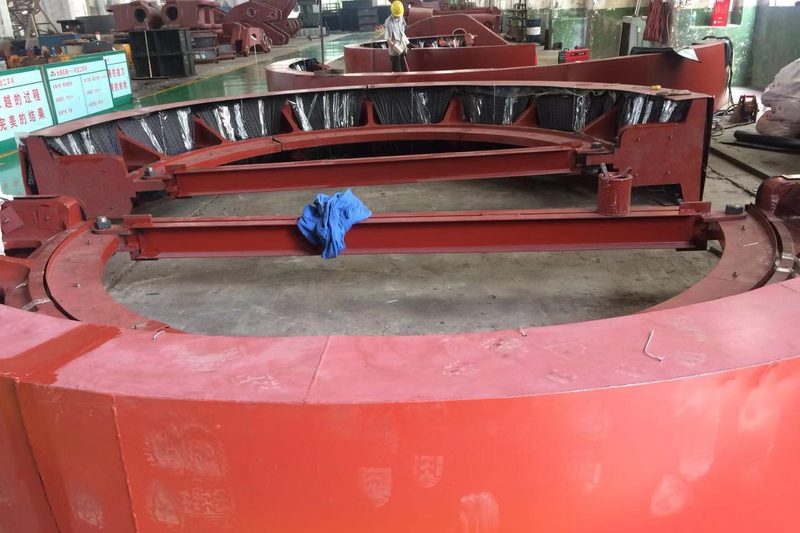
Ring Gears & Mill Heads
Large cast ring gears, girth gears and mill heads for ball, rod and SAG mills — cast and machined to run true under continuous heavy load.
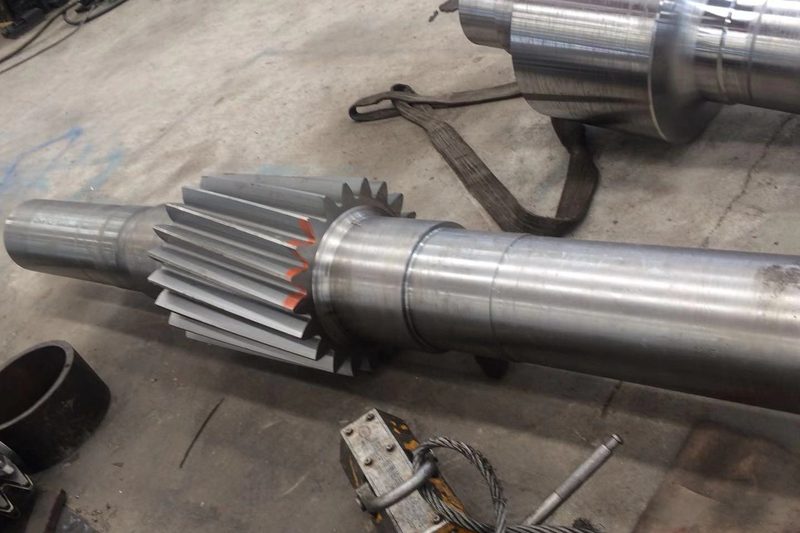
Pinions & Drive Shafts
Forged and machined pinion shafts, drive gears and trunnions that transmit the torque of a grinding mill or crusher drive.
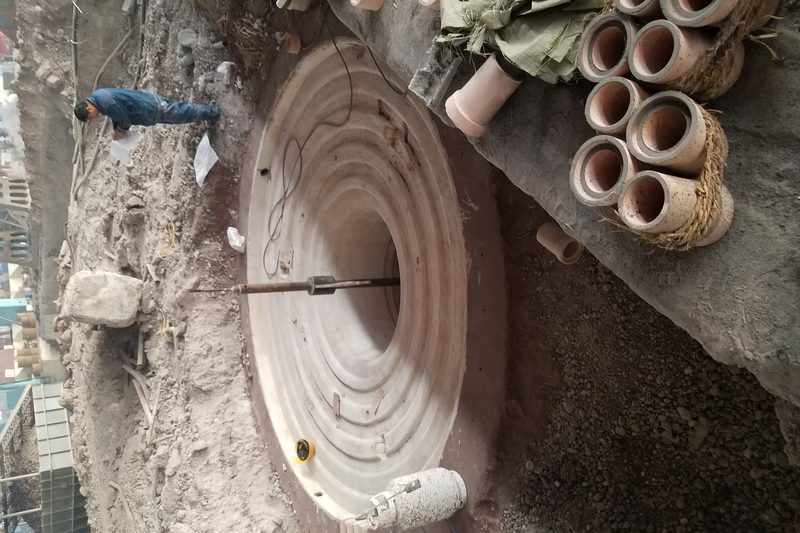
Mill & Crusher Wear Liners
Shell and head liners, lifter bars, mantles, concaves and copper bushings — the consumable wear surfaces of mills and crushers.
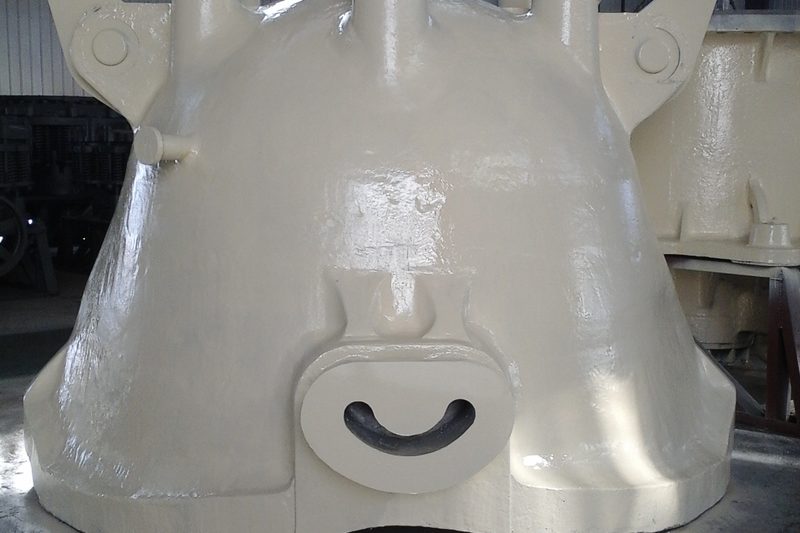
Slag Pots & Metallurgical Castings
Slag pots, ladles and heavy metallurgical castings for smelting and refining operations, built for repeated thermal and mechanical shock.
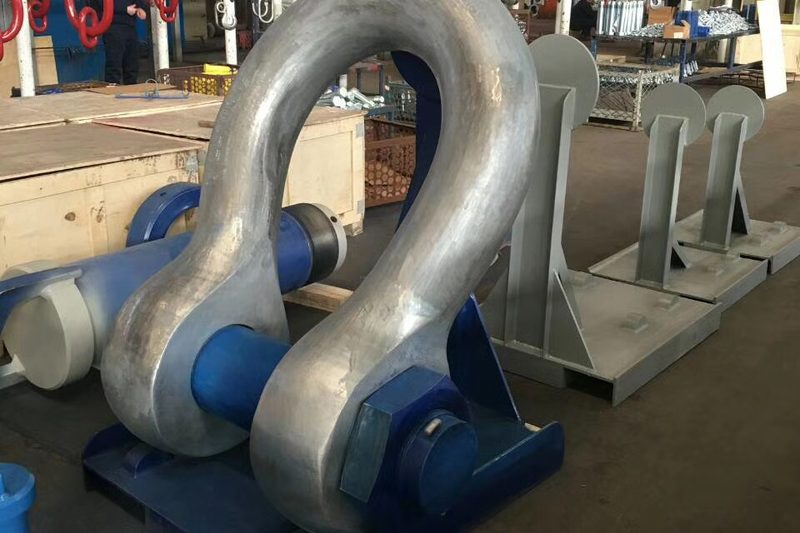
Heavy Forgings
Forged shafts, hooks, shackles and pins where forged strength and toughness beat a casting for the duty.
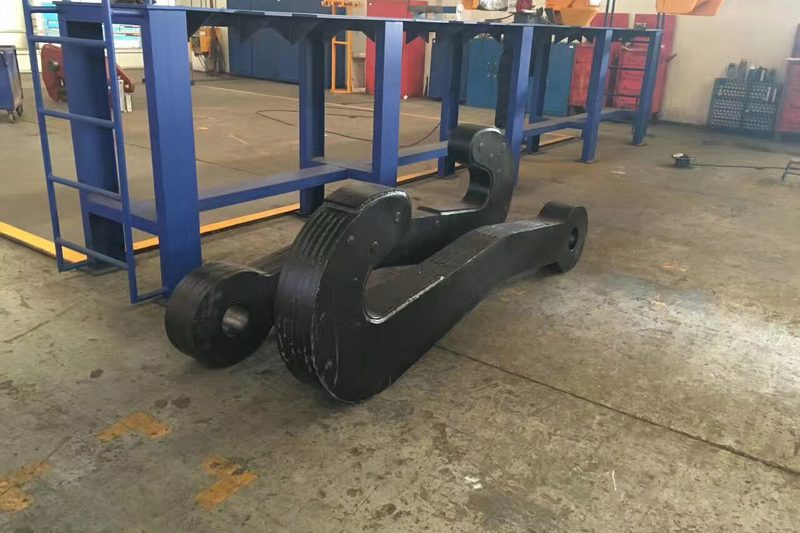
Cast Steel Components
Crusher frames, bases, brackets and structural castings in carbon and alloy steel, machined and ready to install.
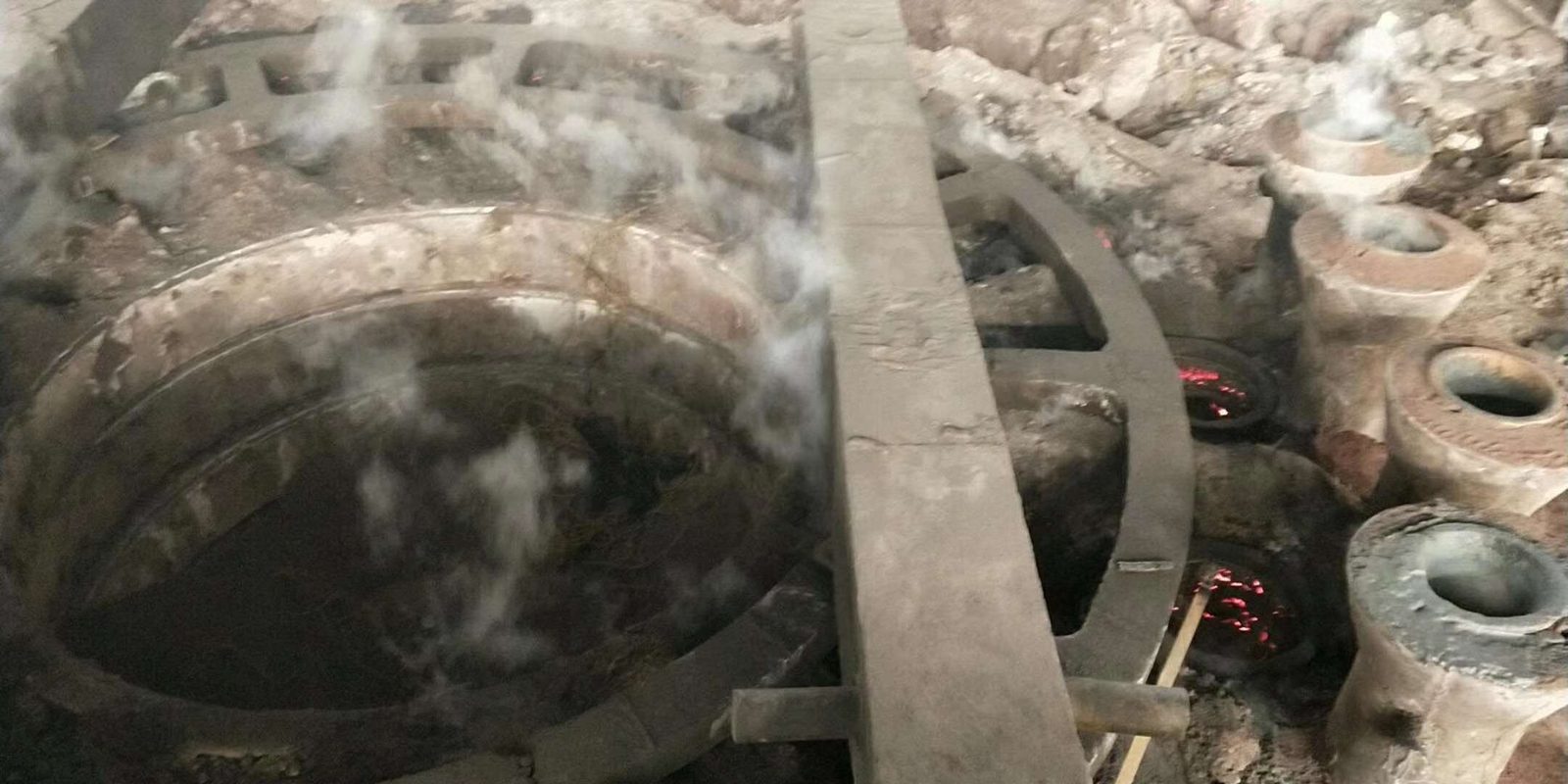
From alloy selection to finished part
A wear part only performs if the metallurgy is right for the duty. Crimar matches the alloy to the failure mode — abrasion, impact, heat or corrosion — and controls the process from the pour through machining and heat treatment:
- Wear alloys: high-manganese (Hadfield) steel for impact-abrasion, high-chrome white irons for sliding abrasion, and alloy steels for strength
- Processes: sand and investment casting, open-die and closed-die forging, precision machining and balancing
- Heat treatment: normalizing, quench-and-temper and work-hardening to reach the specified hardness and toughness
- Verification: chemistry and mechanical testing, hardness checks, dimensional inspection and NDE on critical parts
Missing the original drawings? We routinely reverse-engineer replacement parts from a worn sample or field measurements, so an obsolete casting is no longer a reason for extended downtime.
Sourced and inspected, not just traded
Crimar’s own personnel visit the foundries and machine shops to check materials and workmanship, we engage third-party inspectors such as Bureau Veritas and Moody when a project requires it, and mill certificates and inspection records travel with every shipment. These castings and forgings pair naturally with our crushing & milling equipment; see our quality & inspection approach or browse all sourced equipment.
Wear part materials by application
| Application | Parts | Materials |
|---|---|---|
| Primary crushing: jaw crushers | Fixed, movable and swing jaw plates | Manganese steel; manganese steel with TiC inserts |
| Primary and secondary crushing: cone crushers | Concaves, bowl liners, mantles | Manganese steel; manganese steel with TiC inserts |
| Secondary crushing: impact crushers | Blow bars, impact plates | Martensitic steel, with or without ceramic inserts; manganese steel with TiC; high-chromium iron with ceramic |
| Chutes, hoppers and transfer points | Bimetallic wear plates, vacuum-brazed liners, chromium carbide overlay (CCO) plate, overlay plate, chocky bars, Ni-hard, ceramic plates and liners | High-chromium on mild steel; ceramic, TiC or tungsten carbide additions |
| Grinding: ball mills | Shell liners, head liners, grinding balls | Manganese steel, alloy steel, cast iron |
| Mill drives | Girth gears, pinions, trunnions, mill heads | Alloy steels such as 34CrNiMo6 and 18CrNiMo7-6; cast steel |
| Smelting | Slag pots, ladles and metallurgical castings | Cast steel, designed for repeated thermal shock |
How we inspect castings and forgings
A wear part only lasts if its chemistry, heat treatment and hardness are right for the failure mode. The inspection plan is agreed before the pattern is made and covers each of these steps.
| Stage | What we check |
|---|---|
| Before production | Specification and drawing review; material grades and equivalents agreed in writing; inspection and test plan (ITP) with hold and witness points |
| Materials | Mill certificates and chemical analysis checked against the specification; positive material identification (PMI) where specified |
| In process | Our own staff on the factory floor at hold points; casting, welding, heat treatment and machining records reviewed |
| Final inspection | Dimensional and visual inspection, hardness and NDE as specified, pressure or function tests |
| Third party | Bureau Veritas, Moody, ABS or the customer’s inspector at any hold point |
| Release | Data book with certificates, test reports and as-built records; export packing suited to sea freight and transhipment |
Crimar sources this equipment through its sister company in China, SBCCO-China (Shijiazhuang Beman Commercial Co. Ltd.), registered in 2015 as a majority foreign-owned Chinese corporation. That gives every order a legal entity in China that can sign and enforce contracts under Chinese law, hold import and export licenses, issue local invoices and certificates of origin, and run quality control and expediting with bilingual staff. The contract, specification and inspection plan stay with Crimar in Tucson; see how we work.
Project record
- Chile: crowns and pinions, mill feed heads, ball mill trunnion liners, rubber linings, slag pots, ceramic wear liners and bimetallic wear plates for mining operations.
- Smelter ladles and liners: a ladle set and ceramic wear liners supplied in 2024.
- Glencore PASAR copper smelter: maintenance materials and spares since 2016, including stainless steel cladding, valves and piping.
- Mill and crusher spares we source: girth gears and pinions, mill heads and shells, crusher spiders, shells, eccentric bushings, main shafts and lubrication stations.
Related: crushing and milling equipment and smelting and refining.
Wear parts and castings: frequently asked questions
Which wear material should I use: manganese steel, high chromium or ceramic?
Manganese steel for impact, as in jaw plates, mantles and concaves, because it work-hardens under impact. High-chromium iron or chromium carbide overlay for sliding abrasion in chutes and liners. Ceramic, TiC or tungsten carbide additions further raise abrasion resistance. The choice follows the failure mode of the worn part, which is why we ask for photos or a sample of it.
What is a bimetallic wear plate?
A plate with a hard wear layer, such as high-chromium iron, carbide overlay or vacuum-brazed ceramic, bonded to a mild steel backing. The backing can be welded or bolted in place, and the hard face takes the abrasion.
Can you copy an obsolete or OEM part?
Yes, from the original drawing, a worn sample or measurements taken on site. Material, hardness and tolerances are agreed with you in writing before a pattern is made,.
How is hardness and chemistry verified?
Chemical analysis and mechanical test certificates for each heat, hardness checks on the finished part, dimensional inspection, and NDE on critical parts, all against an inspection plan agreed before production. Third-party inspectors can witness any step.
Do you supply slag pots?
Yes. We have supplied slag pots and a ladle set for smelting operations; they are cast steel parts designed for repeated thermal and mechanical shock, and are inspected and documented like any other casting.